
Editor’s note: This article is written by a Guest Author and does not necessarily represent the views or insights of Appetiser Apps.
Today’s customers have options everywhere they look, and their patience is running thin.
One clumsy user experience can be all it takes for someone to walk away. Especially when alternatives abound and attention spans are shorter than ever.
In fact, 58% of customers say they’ll drop a brand if a competitor offers a better digital experience. That number makes it clear that design is business-critical, and that every tap, scroll, and message counts. It shapes loyalty, trust, and whether people stick around long enough to build a relationship with your brand.
The upside is that UX leaders are rethinking how people interact with technology, blending empathy with smart tools to create apps and experiences that feel effortless, meaningful, and human.
Here are six design trends that are shaping what great UX looks like right now.
1. Designing for inclusion and accessibility

Accessible design is good design – it benefits people who don’t have disabilities as well as people who do. Accessibility is all about removing barriers and providing the benefits of technology for everyone.” -Steve Ballmer, former CEO of Microsoft
Accessibility is now a central part of design thinking.
Teams are approaching it as a way to open doors for more people, and in the process, they improve the experience for everyone.
Video Calls As An Example:
Captions were first added for people with hearing loss, but they also help anyone trying to follow along in a noisy café or scrolling through a recording on mute. That’s inclusion in action, and a reminder that what helps some people usually makes things better for everyone.
Simple tweaks, such as improved color contrast, larger tap targets, or keyboard navigation, can eliminate the friction that frustrates entire groups of users. Voice commands go even further, opening up possibilities for people who can’t use a mouse or touchscreen easily.
More companies are incorporating these ideas early on, rather than retrofitting them later.
Clearly, the message is that when design is inclusive, it conveys to users that they’re seen and valued. That anchors lasting customer relationships and builds the kind of trust money simply can’t buy.
2. AI-powered personalization
AI is quickly becoming the engine that drives apps and how digital experiences feel tailored. It can suggest what you might want to watch, predict your next purchase, or even line up the playlist that matches your mood.
The promise is clear, but customer sentiment shows it’s still a work in progress.
Right now, 40% of customers say AI raises the bar on experience. While this is significant, it’s also a reminder that there’s plenty of ground still to cover.
When personalization lands well, it feels almost invisible. Think about Netflix recommending a docuseries that hooks you on the first episode, or a grocery app nudging you to reorder the milk you usually forget.
Those little touches make the experience smoother, and they save people time.
The flip side is that users don’t want to feel watched or manipulated. They want relevance without the creep factor.
That means UX leaders need to design systems that give choice and transparency while still delivering the “wow, that’s handy” moments. Get that balance right, and AI starts being part of a genuinely human experience.
3. Immersive interfaces with AR and VR
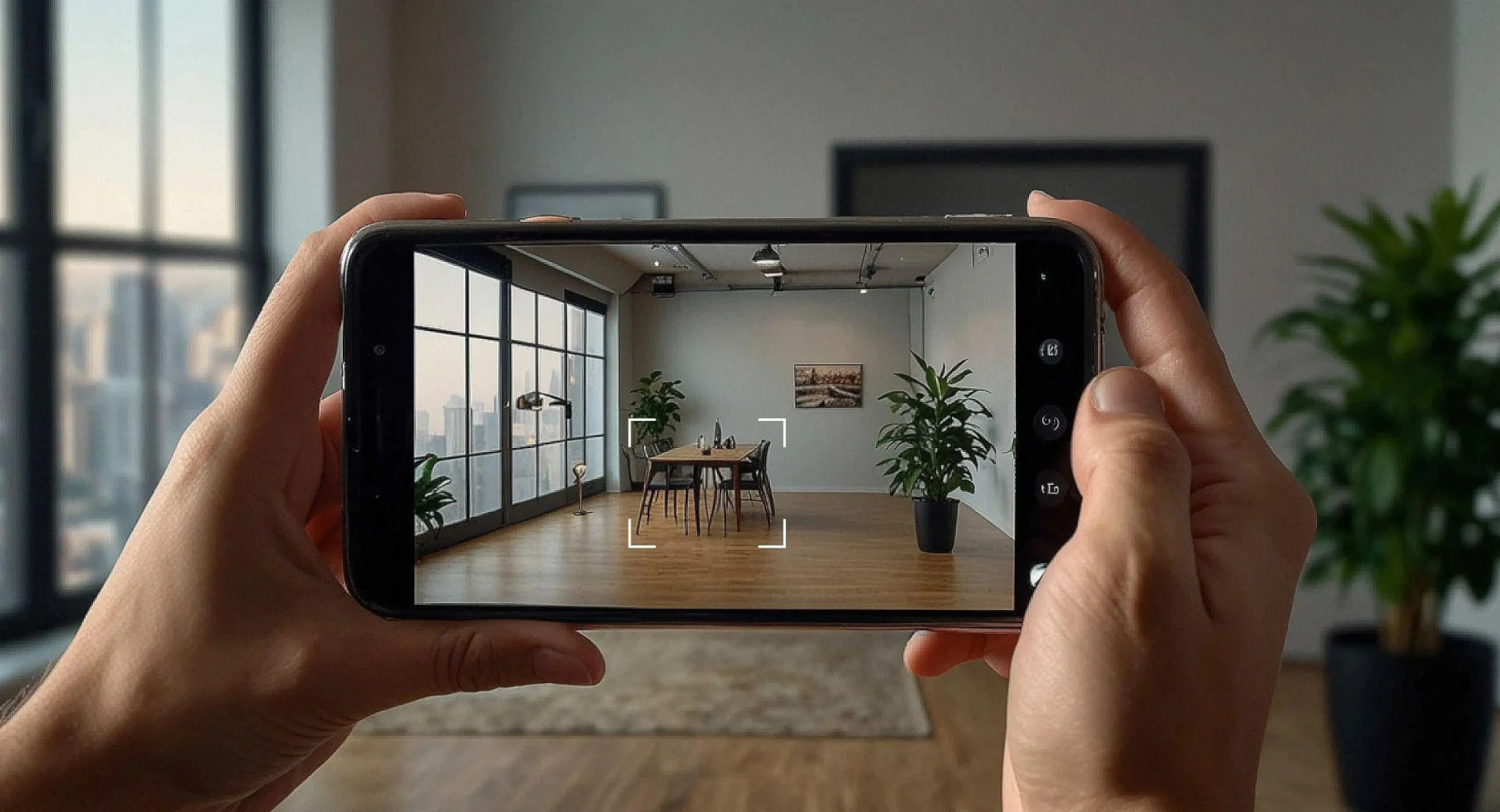
Augmented and virtual reality have moved beyond the cool demo stage and into daily life.
- Furniture brands now let you drop a digital sofa into your living room before you buy.
- Surgeons train with VR simulations that feel almost real.
- Schools are sending students on virtual field trips to the pyramids or the Great Barrier Reef without leaving the classroom.
Workplaces are catching on, too.
Imagine meeting with colleagues across the globe in a 3D space where you can walk around, look people in the eye, and share ideas more naturally than a flat video call. That’s where things are heading, as more teams look for ways to collaborate naturally and effectively.
The trick is not to overwhelm, because when an AR tool or VR environment feels clunky, people check out fast.
UX leaders are focusing on clarity, comfort, and smooth handoffs between physical and digital touchpoints. When done well, immersive interfaces transform how people shop, learn, and connect.
4. Conversational and voice interfaces
We’ve come a long way from clunky chatbots that gave canned replies.
Today’s conversational interfaces can book your flight, answer questions about your bank account, or help you troubleshoot Wi-Fi issues, all in a natural back-and-forth conversation.
Voice assistants take it further.
For someone with limited mobility, being able to control lights or appliances hands-free can be life-changing. For busy parents juggling dinner and homework, asking a speaker to add items to the shopping list keeps things moving.
Designing for conversation means thinking about the full exchange, not only the answers. Tone matters, as does context, and when the topic is sensitive, empathy matters most of all.
Multilingual support is also opening doors for global users, making services feel like they belong to everyone, not just English speakers.
Privacy is still a sticking point, of course, since voice data is personal. But when UX leaders build systems that respect boundaries, conversational design feels like second nature. It shifts the focus away from clicks and taps toward something closer to how humans already communicate.
5. Ethical and Sustainable UX
If we want users to like our software we should design it to behave like a likable person: respectful, generous and helpful.”– “The Father Of Visual Basic” Alan Cooper
Every design choice tells a story, and today’s UX leaders are putting transparency first.
Ethical UX means clearly explaining what data is collected and why, letting people make informed decisions, and avoiding designs that take advantage of distraction or pressure.
Using transparent data visuals or infographics helps users understand choices and impacts at a glance, building trust through clarity rather than fine print. This makes them more inclined to stick around.
Sustainability is another piece of the puzzle. Lightweight websites that load fast use less energy. Apps with low-data modes help reduce bandwidth costs and environmental impact at the same time.
Even eco-friendly defaults, like encouraging digital receipts instead of paper, are now a part of the user flow.
While these shifts may seem small, they add up, showing users that their values matter as much as their clicks. In a crowded market, it’s that kind of respect that sends one of the strongest brand signals.
6. Motion and Micro-Interactions
The tiniest details can make a huge impression.
A button that gently pulses when you hover, or a checkmark animation that tells you your payment went through, are small touches that guide people along a journey while adding a spark along the way.
Micro-interactions also help with clarity.
When you add an item to your cart and see it bounce into place, you know it worked. That quick cue removes doubt, which means fewer errors and less frustration.
Brands are also using motion to express personality. A playful bounce can make a fitness app feel energetic, while a smooth fade suits a luxury retailer. The point is to add life in a way that feels right for the context.
Get it right, and users walk away remembering how your product made them feel. And that emotional memory is often what keeps them coming back.
Be part of the future of UX, now (and build loyalty that lasts)
User experience is where technology and people meet, and that connection can make or break loyalty.
The six design trends we’ve looked at show how UX leaders are stepping up, making design more inclusive, more personal, more immersive, more conversational, more ethical, and more engaging.
These trends highlight how design has become a catalyst for stronger connections. Each one shows how considered choices can make experiences easier, clearer, and more enjoyable. When a user experience feels effortless, people keep coming back.
When it delights, they share it with others. When it becomes part of daily life, it builds loyalty that lasts.
That’s the power of UX done right.
About the Contributing Author
 Sophia Holt is a Content Slinger and an Editorial Queen who loves to write about technology and emerging trends.
Maria Krisette Lim is a Content Marketing Specialist with 14 years of experience producing web and print ad content. Krisette has a BSBA degree, major in Business Management and Entrepreneurship. When she’s not tinkering with words and punctuation, she’s either curled up with a book while sipping hot tea, playing with her toddler, or tinkering with website builders.